

Quick Answer
Delaying care recommended by an orthodontist can lead to worsening bite problems, crowded teeth, jaw pain, tooth wear, and more difficult treatment later. Early care often helps prevent future dental issues and supports better oral health.
Key Takeaways
- Bite and spacing issues can worsen over time
- Delayed care may increase jaw discomfort and tooth wear
- Early treatment can make future care easier
- A trusted orthodontist’s office can help guide the right timing for care
Many people put off orthodontic treatment because life gets busy. Others hope the problem will improve on its own. Some patients do not feel pain right away, so they wait longer before visiting an orthodontist.
Small dental issues often grow slowly. That is why early care matters. A simple alignment problem today may become more difficult later.
At Lake Ridge Orthodontics in Woodbridge, patients often ask if waiting really makes a difference. In many cases, it does.
Teeth May Become More Crowded
Teeth naturally shift over time. When crowding starts, it rarely stays the same.
You may notice:
- Teeth overlapping more
- Harder brushing and flossing
- Food getting trapped often
- Front teeth turning or twisting
An orthodontist checks how your teeth fit together and whether crowding is getting worse.
People searching online for an orthodontist near me often do so after noticing these changes becoming harder to ignore.
Tooth Problems Can Get Worse
A bite problem affects how your upper and lower teeth meet. Delaying care can place more pressure on certain teeth and jaw muscles.
Common bite concerns include:
| Bite Issue | What May Happen Over Time |
|---|---|
| Overbite | Front teeth wear down |
| Underbite | Chewing may feel uneven |
| Crossbite | Teeth can chip or crack |
| Open bite | Biting food becomes harder |
An experienced orthodontist may recommend treatment early to help reduce future problems.
Jaw Pain and Headaches May Increase
Misaligned teeth can strain the jaw joint. Some patients notice jaw soreness after waking up or eating.
You may also experience:
- Clicking sounds
- Tension headaches
- Teeth grinding
- Tight jaw muscles
A visit to an orthodontist’s office can help identify whether your bite is contributing to these symptoms.
Oral Hygiene Can Become More Difficult
Crowded teeth create small spaces that are harder to clean. Plaque and bacteria build up more easily in these areas.
This may increase the risk of:
- Cavities
- Gum irritation
- Bad breath
- Tooth staining
An Orthodontist focuses not only on smile appearance but also on long-term oral health.
Treatment May Take Longer Later
Early treatment is often simpler. Waiting may lead to more shifting, added wear, or greater alignment changes.
This does not mean treatment becomes impossible. Many adults still successfully improve their smiles successfully. Still, delayed care may require more time and planning.
Patients visiting an orthodontist’s office often feel relieved after learning what options are available before the issue grows larger.
Children May Miss Important Growth Stages
For younger patients, timing can matter a lot. Jaw growth changes quickly during childhood and early teen years.
An Orthodontist may watch for:
- Delayed tooth eruption
- Crowding during growth
- Bite imbalance
- Jaw development concerns
Early evaluations can help guide healthy growth and reduce future complications.
Confidence May Be Affected Over Time
Many people delay treatment because they feel unsure or nervous. Over time, smile concerns can begin affecting daily confidence.
Some people avoid:
- Smiling in photos
- Speaking in groups
- School presentations
- Social events
A healthy smile can support comfort, function, and self-esteem.
Meet Dr. Fadi Saleh
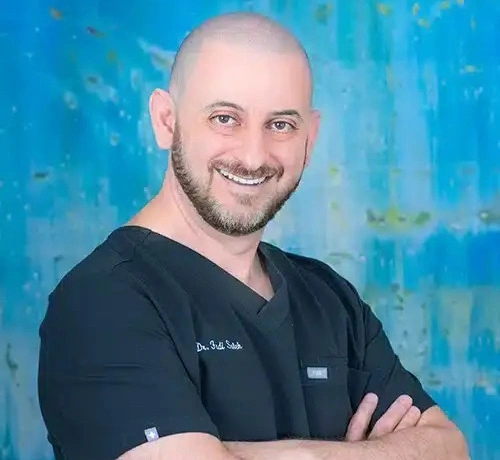
Since 2005, Dr. Fadi Saleh has provided thoughtful orthodontic care for patients of all ages. He completed his dental education at the State University of New York (SUNY) and remains committed to continued learning in orthodontics.
Dr. Saleh is board certified by the American Board of Orthodontics. This certification reflects an ongoing dedication to high standards and lifelong learning in specialty care.
Patients at Lake Ridge Orthodontics appreciate the calm and honest approach inside the orthodontist office. Families from areas near Stonebridge at Potomac Town Center, Old Bridge Road, and the Occoquan area often visit the practice for convenient local care.
While patients attend appointments, family members can enjoy nearby cafes, shopping spots, or a walk through Lake Ridge Park.
When Should You Stop Waiting?
You do not need severe pain to benefit from orthodontic care. Small warning signs often appear first.
It may be time to visit an orthodontist if you notice:
- Teeth shifting
- Jaw discomfort
- Trouble chewing
- Crowded teeth
- Bite changes
Searching for an orthodontist near Woodbridge is often the first step toward learning what is happening and what options may help.
Conclusion
Delaying treatment can allow small orthodontic problems to become larger concerns over time. Bite changes, crowding, jaw discomfort, and tooth wear often worsen slowly.
A trusted orthodontist can help you understand the condition of your teeth and explain treatment in simple terms. If you have concerns about your smile or bite, schedule a consultation with Lake Ridge Orthodontics. You can also contact our Lake Ridge Orthodontics office to learn more about your options.
Call us today to speak with our team and schedule your visit.
FAQs
Can waiting too long make alignment problems worse?
Yes. Teeth can continue to shift over time. Small spacing or bite issues may become harder to correct if left untreated for many years.
Is it harder to clean crowded teeth?
Crowded teeth often create tight spaces where plaque and food can collect. This can make brushing and flossing more difficult.
Can bite problems cause jaw pain?
Yes. Uneven pressure on the jaw joint may lead to soreness, headaches, or teeth grinding in some people.
Is there a best age to begin treatment?
Children often benefit from early evaluation because jaw growth is still developing. Adults can also improve alignment at many ages.
What are the signs that treatment should not be delayed?
Common signs include crowding, trouble chewing, jaw discomfort, shifting teeth, and uneven tooth wear.
Will delayed treatment always require braces?
Not always. Treatment depends on the condition of the teeth and bite. Some patients may qualify for clear aligners or other options.